- Home
- Custom Design
-
Shop by Product
- Articles
- About
- Contact
-


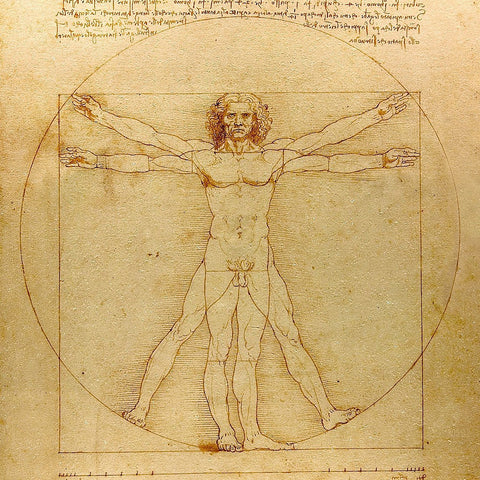
As an artist, it is my duty to research the subject. I know that the Doric Order is the oldest and simplest of the ancient Greek and later Roman architecture. I also know from the writings of Vitruvius that the Doric order obtained its proportion, its strength, and its beauty, from the male human figure.
But there are some hidden facts that I discovered that completely blew my mind. Things such as its ancient Egyptian origins stretching back to pre-dynastic times and its deep connection to quintessential ancient Egyptian symbols such as the jackal, papyrus bundles, burial rites, and the ancient axiom "As Above, So Below".
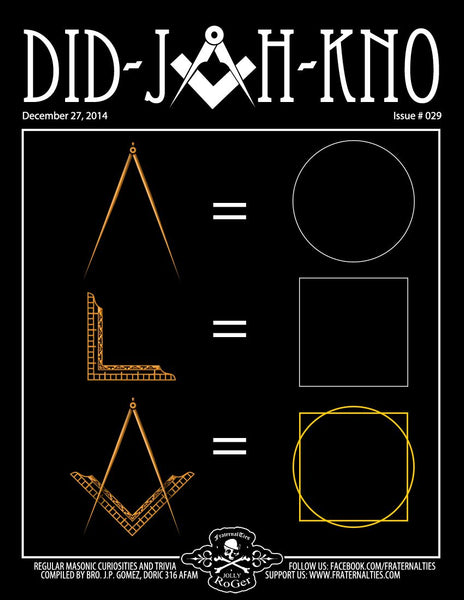
 I designed the logo with my findings in mind. Look at the logo and take note of the subtle details such as the way the lines of the Square and Circle intersect- the lines don't touch but they become connected through the Square and Compasses. The Square and Circle figure is also the cross-sectional view of the Doric column from above.
 As I have illustrated on our issue 29 of DidJahKno Masonic facts (December 2014), I firmly believe that the Square and Compasses, the well-known emblem of #freemasonry, the tools used to make a perfect square and a perfect circle, is an elegant way to present to a human being the difficult-to-believe concept that a person can literally do the impossible once he or she finds a way to unite his or her material and spiritual self.
I'm pleasantly surprised to discover that this United Person idea is perfectly embodied by the Doric column. But I'm also saddened by the fact that our beautiful S&C emblem has been misappropriated by the anti-Freemasons and the "Illuminati brotherhood" scam who force upon it either a sinister or a materialistic meaning.
On part 2 of this article, I will talk about the ancient Egyptian roots of the Doric column.

I have quoted and featured Brother Pike on many of my Masonic artworks but I realized that there's just so much that I do not know about him. Who is he? How can a man who once wrote, "One man is equivalent to all Creation. One man is a World in miniature." be called a racist and so reviled by some? Here are 10 facts about Albert Pike that I gathered from the internet (sources included).


Sources:

Test your Masonic knowledge by completing this one. Download the printable PDF file by printing the image below or by clicking this PDF link.
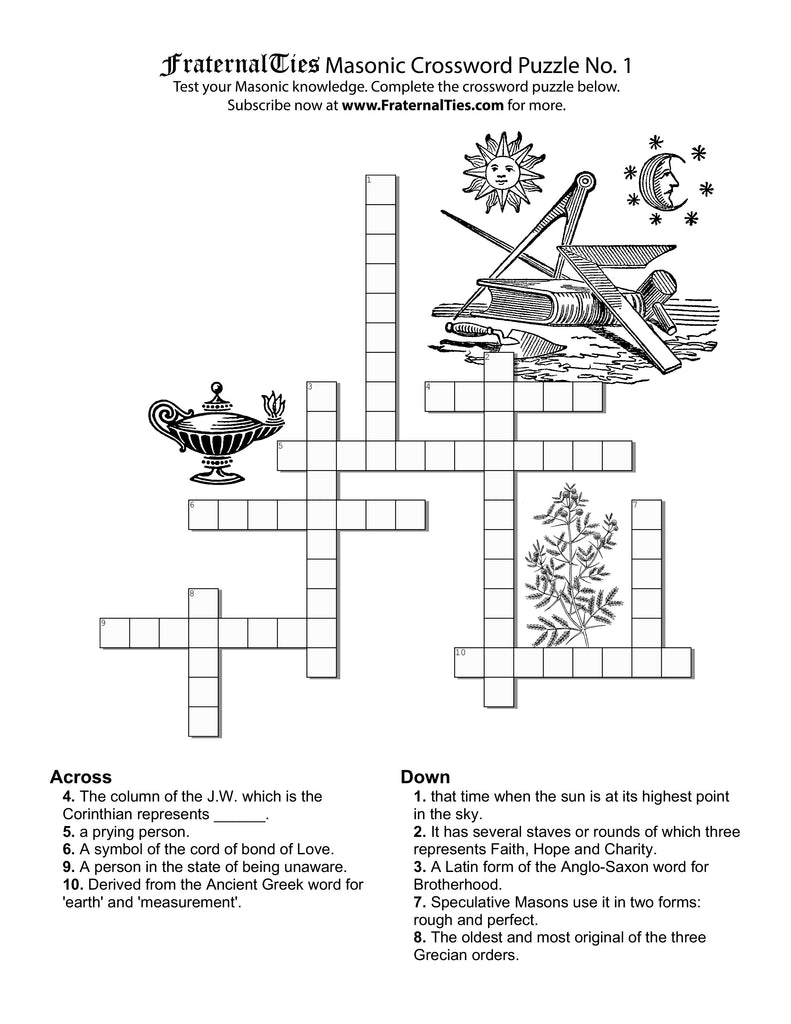
Let us know in the comment section below if you enjoyed this puzzle or if you have any comments or suggestions. Your feedback will help us improve our Masonic content for your enjoyment.
Need the answers? Click here.

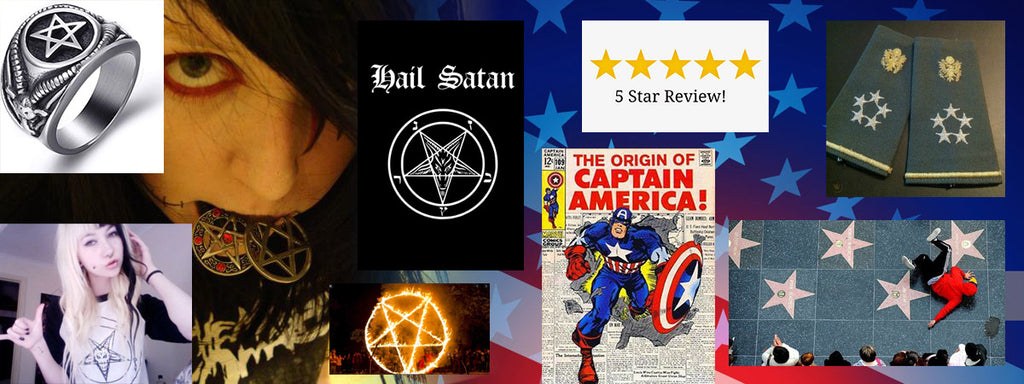
Many of today's polarizing symbols trace its history back to the moment of discovery of a certain natural truth. These realizations are the byproduct of careful observation spanning years if not several generations. These "truths" were held in such high regard that it can only be transmitted in secrecy during an initiatic ceremony from mouth to ear.
Take the pentagram as an example- today it is fashionably interlinked with Satanism and anything occult; but its cousin, the Five-pointed Star, is a symbol of quality, patriotism, or even fame and "stardom" in Western culture. Where did this fascination for this ever-present symbol come from?
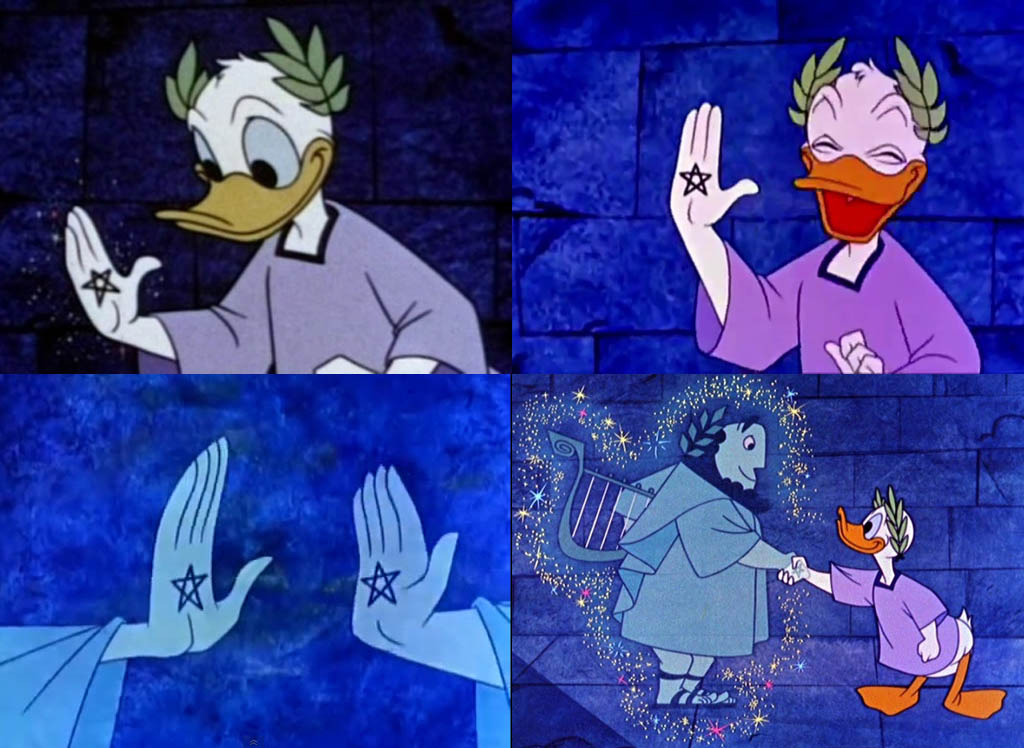
To find out, let's watch the following Phytagorean Brotherhood exemplification video clip starring Donald Duck (beginning from video timestamp 2:29 to around 4:30).
In case you didn't watch the video, here's a summary: Donald Duck was a skeptic who accidentally travelled back in time, got initiated into the Pythagorean Brotherhood, learned about the connection between sacred geometry and music (hint: encoded in the pentagram), and shook the hands of the spirit of Pythagoras- the Father of Mathematics and Music.
As curious creatures, we are naturally drawn to the hidden stuff. It's in our nature to discover things but without proper guidance, the discovery of certain "secrets" can lead the mind astray. This is why initiation rites are important when imparting certain lessons. Like the pentagram symbol, the number 33 is easily recognized and oftentimes misunderstood. What is so interesting about 33? Let's look at the facts.
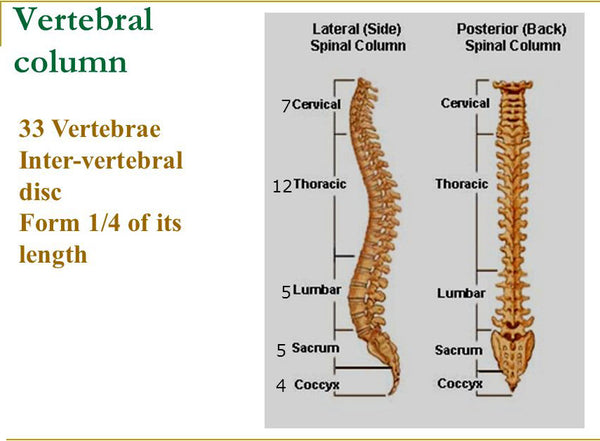
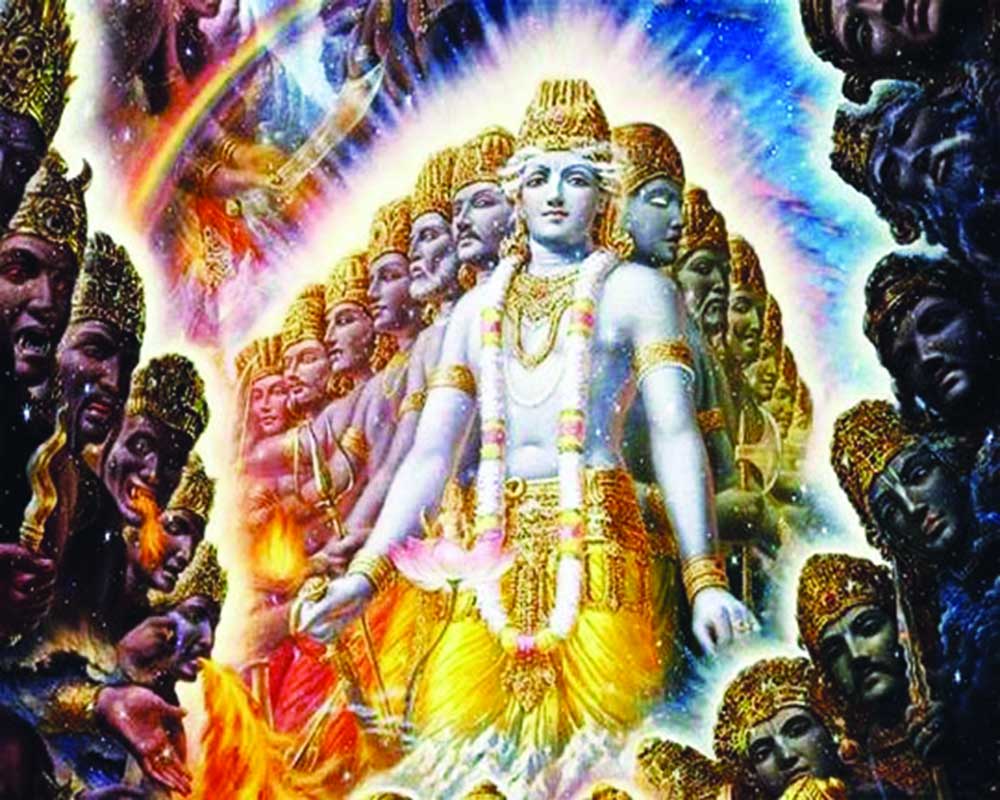
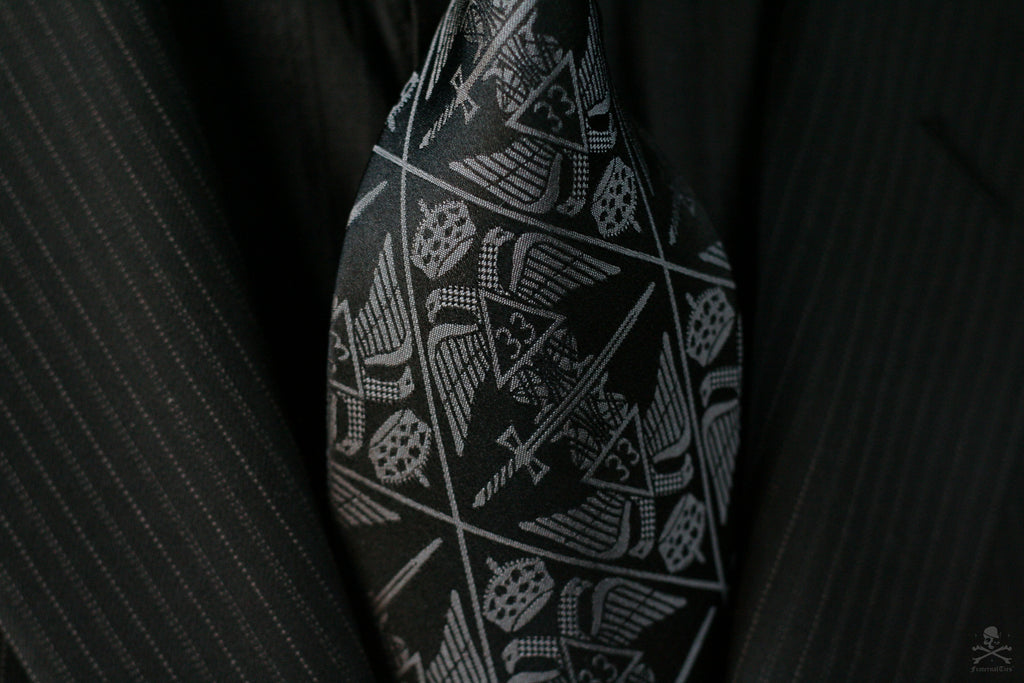
As you can see, there are many interconnecting reasons why 33 is considered mystical.
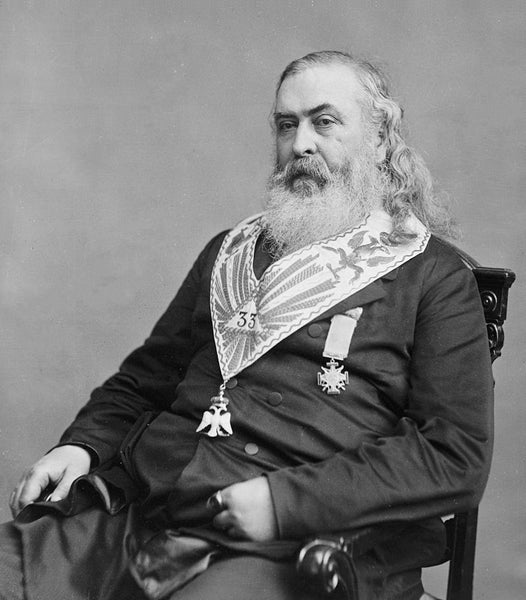
We have a particularly prolific American Freemason who went by the name Albert Pike to thank for it. During his lifetime as Sovereign Grand Commander of the Southern (US) Jurisdiction of the Scottish Rite, "he actively promoted the organization by 'honouring' many of those in Masonic leadership in order to give his own organization far greater visibility than it might have otherwise achieved. Historians will note that this was the 'golden age of fraternity' and everyone wanted to accumulate degrees." -source
For the sake of the uninitiated, there are 3 degrees of Masonry: 1° Entered Apprentice, 2° Fellowcraft, and 3° Master Mason. The 3° Master Mason is the highest degree in Masonry. Even the 3° as a "high" degree is somewhat of a recent invention- during the early days of Masonry, it was the 2nd degree or the Fellowcraft that was the highest attainable rank. These 3 degrees are the degrees of the Blue/Craft Lodge. The other "higher" degrees belong to the appendant bodies of Freemasonry and none of those degrees are higher than the Master Mason 3°.

When the anti-Masons talk about the sinister 33 high-level Luciferian Illuminati Freemasons, they are mostly and misguidedly talking about the honorary and last degree of the Scottish Rite branch of Freemasonry. If you're feeling inclined to dig a little deeper and learn about how it acquired a sinister twist, Bro. Ed King from the famous Masonic Info website wrote an entertaining article about this very topic.
References:

But there's another reason why I'm calling this the Entered Apprentice knot- it is the first knot that most boys learn from their fathers when they first learn how to tie a tie, hence the nickname "schoolboy knot". Because of its simplicity and elegance, it is the most popular tie knot in the world. At one point, the four-in-hand is the only tie allowed by the United States Army.

There's an exclusive London gentlemen's club that we have to thank for it (hint: not the Freemasons). It became popular among members of the Four-in-Hand Driving Club in the 1850s. Etymologists report that carriage drivers in Great Britain knotted their reins with a four-in-hand knot.
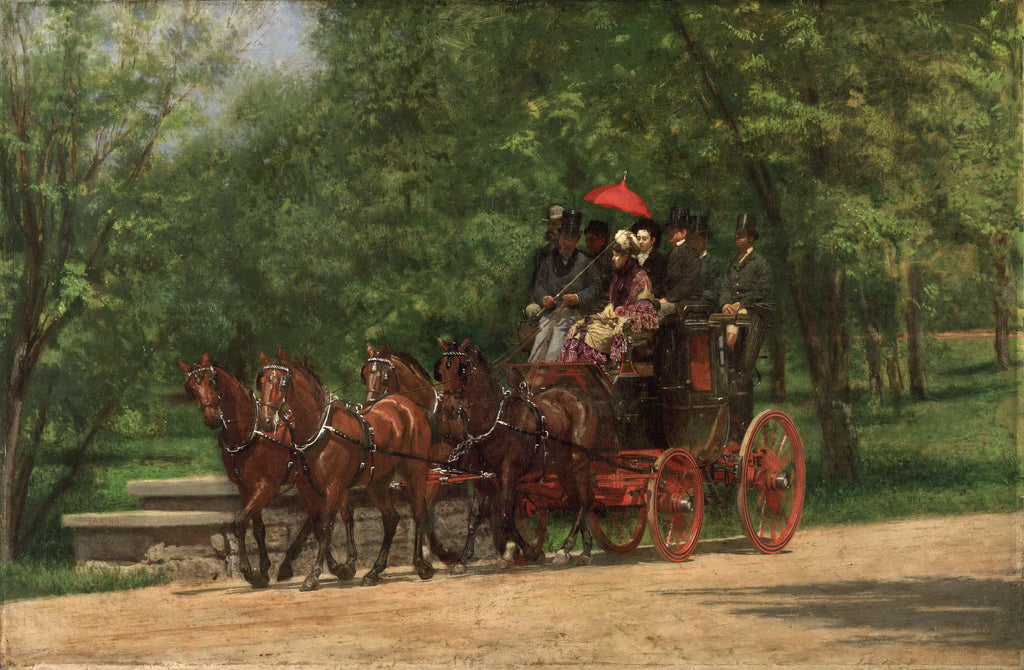
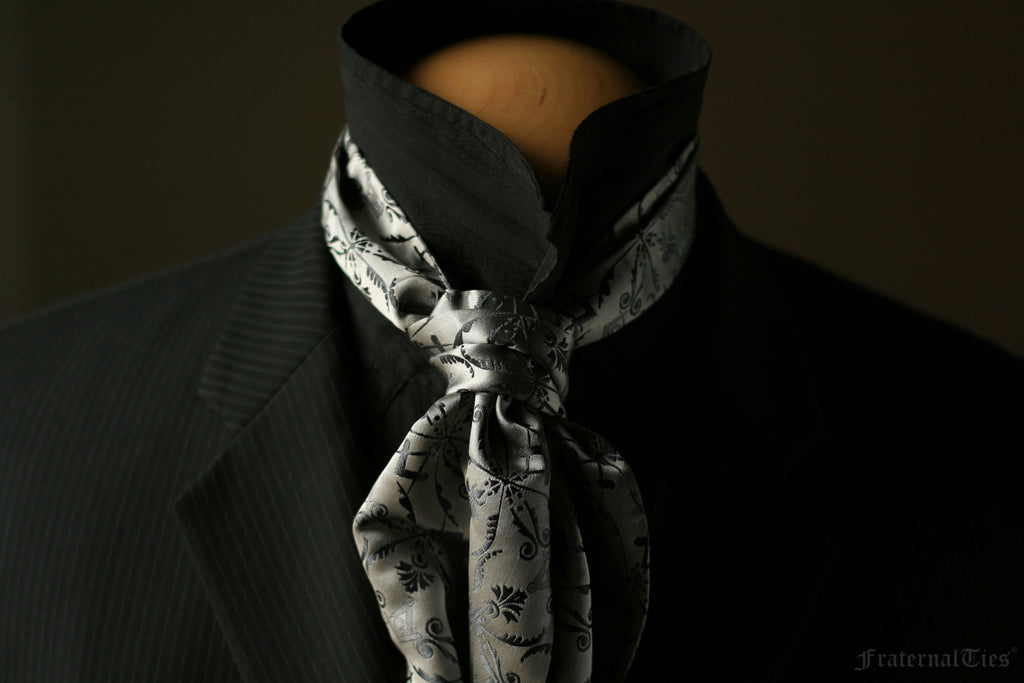
The drivers also wore their scarves and cravats knotted in "four-in-hand". A cravat such as the FraternalTies Platinum Corinthian cravat below is tied with four-in-hand that is why the knot is also known as the "cravat knot".
 When it's used to attach a rope to an object, the four-in-hand knot is known as the buntline hitch. It was used by sailors throughout the age of sail to rig ships and remains a useful working knot today.
How is it that such a simple and irregularly balanced knot can acquire a handsome and dignified look? The answer may lie in a world view which the Japanese call wabi-sabi- a philosophy which is centred on the acceptance of transience and imperfection. The aesthetic is sometimes described as one of beauty that is "imperfect, impermanent, and incomplete".
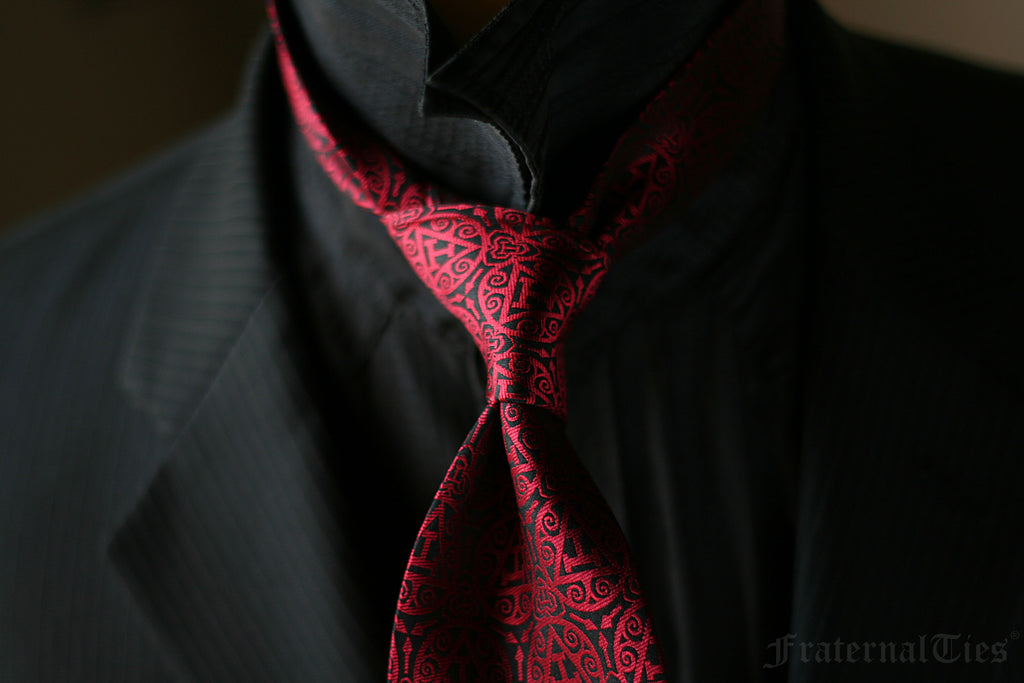
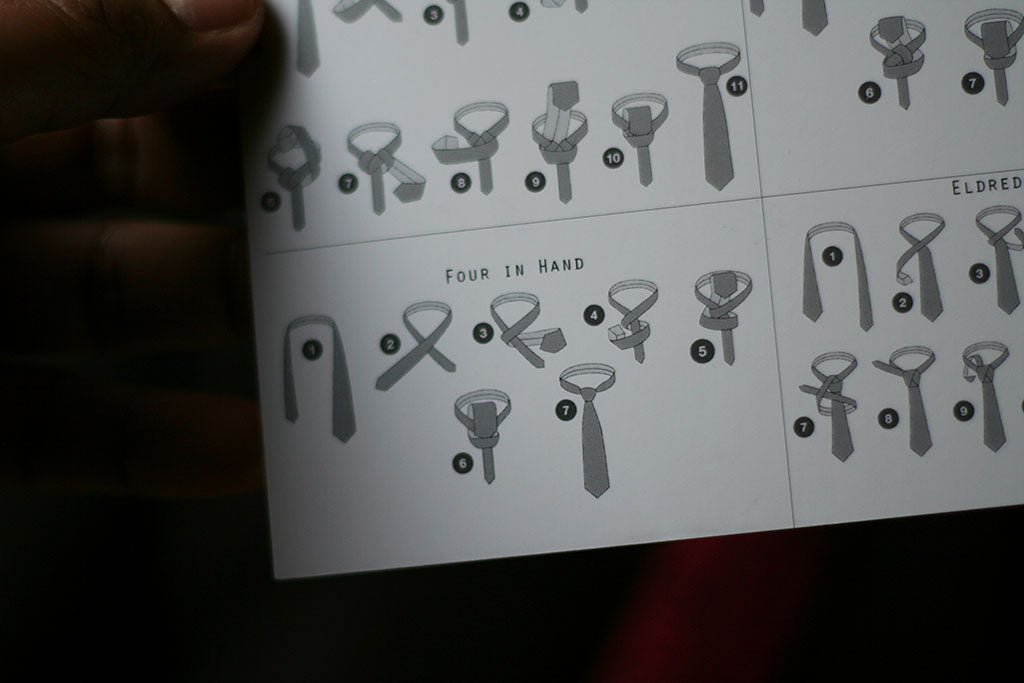
The four-in-hand is an extremely versatile knot that will look slightly different each time you tie it but always asymmetrical. Here's a photo of the knots card that we ship along with our ties while the accompanying text instruction is taken word for word from Business Insider.


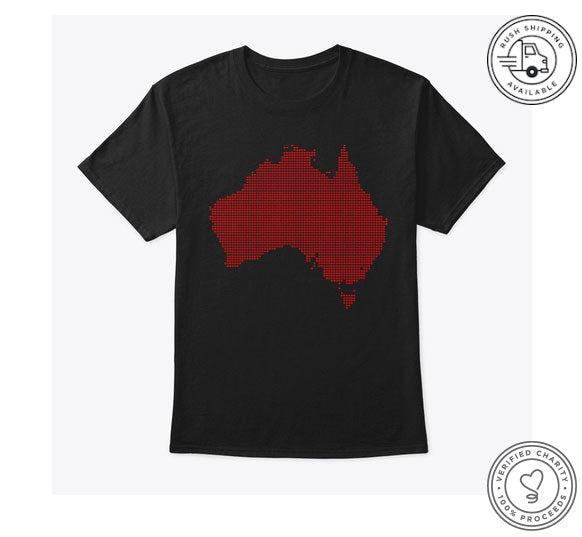
Since June 2019, there have been many large bushfires burning across Australia, especially in the southeast where a state of emergency was declared in New South Wales. As of 14 January 2020, fires this season have burned an estimated 18.6 million hectares (46 million acres; 186,000 square kilometres; 72,000 square miles), destroyed over 5,900 buildings (including approximately 2,683 homes) and killed at least 29 people. An estimated one billion animals were also killed and some endangered species may be driven to extinction. -source
We hope to raise money for the Australian Bushfire Relief Fund. 100% of the proceeds from the sale of this t-shirt featuring original FraternalTies artwork will go to the American Australian Association. Only USD 14.50. Show your support now.